When Distance Becomes the Variable
- Vega Mare
- Feb 27
- 2 min read
Updated: Mar 17
Cruise ships carry medical teams. They are trained, capable, and well equipped for shipboard medicine.
Most days at sea pass without incident.
But ships are designed to stabilize and transfer. When a condition exceeds what can be managed on board, geography becomes part of the outcome.
Helicopters operate within range and weather limits. Marine transfers require proximity. Some itineraries move through waters where either option takes time to coordinate. In remote regions, patients are often transferred again after arrival in port, sometimes flown inland to larger facilities.
Distance affects timelines.
It also affects cost.
This is where insurance stops being a checkbox and becomes a structure.
A comprehensive travel policy for cruising should include:
• Emergency medical coverage with sufficient limits
• Emergency medical evacuation and repatriation
• Coverage that applies at sea, not only in port
• Coordination assistance services
• Clear language regarding pre-existing conditions
• Coverage for itinerary interruption due to medical diversion
Evacuation from open water is not comparable to a taxi ride to a city hospital. Helicopter transfers and international air ambulances carry five- and six-figure costs. Policies often contain caps, exclusions, or geographic limitations that only surface when distance is involved.
A coastal itinerary with frequent major ports offers one margin of response. Long open-water crossings offer another. Insurance limits that feel generous near shore may look very different mid-ocean. For most travelers, the difference is planning depth, not whether the voyage can be taken at all.
If you are managing:
A cardiac history
Respiratory vulnerability
Complex medication schedules
A condition requiring specialist follow-up
Then route selection and insurance structure deserve equal attention.
Most travelers focus on the ship. Fewer examine the map and the policy language together.
If you’re weighing routes and want a structural review before you decide, you can begin with a focused strategy review.
The sea does not remove risk. It changes its logistics.
Clarity about those logistics before booking tends to produce calmer voyages afterward.
When This Matters Most
Distance and insurance alignment become particularly relevant when:
• Sailing in remote regions
• Crossing large open-water intervals
• Traveling far from your home healthcare system
• Managing a condition that has required hospitalization in the past year
Understanding the relationship between geography and coverage doesn’t make a voyage smaller. It makes the decision proportionate.
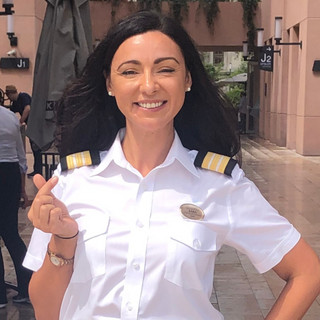
Vega Mare is a former senior cruise ship officer and the author of Inside the Floating City and The Discerning Voyager. If you are planning a significant cruise, or reconsidering one after a difficult experience, a strategy session will help you choose the right itinerary for where you actually are, not where the brochure suggests you should be.

Comments