top of page
Intelligence
Intelligence from inside ship operations.
Structural analysis of cruise decisions, booking logic, and onboard systems that shape the experience in practice.


Why the First Hour Ashore Is the One Worth Protecting
The single most useful piece of information for planning a port day is not the excursion menu or the port map. It is the docking time. A former cruise ship officer on the hour that sets the tone for everything that follows.
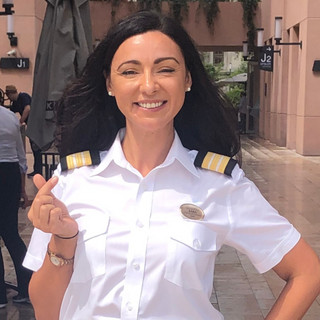
Vega Mare
5 min read


How to Read a Cruise Itinerary Like a Senior Officer
Senior officers read itineraries differently. Not because they are looking for problems, but because fifteen years of watching what happens when a ship meets a port teaches you to see what the marketing version leaves out.
Vega Mare
4 min read


When the Port Has Never Seen Your Ship Before
In ports a ship knows well, the sequence clicks. In a port it has never visited before, the crew reads every variable in real time. You will measure the difference in how calm your morning feels.
Vega Mare
5 min read


What the Sea-Day Ratio Is Actually Telling You
Most people count the ports. The number that tells you more about the voyage you are about to have is the days in between.
Vega Mare
4 min read


Past Ten Nights, the Ship Shifts
Past ten nights, the ship shifts. Crew call it the Ten-Night Turn. Expectations sharpen, patience thins, and the complaint curve bends in ways that experienced officers feel before passengers do.
Vega Mare
4 min read


Mediterranean Cruises With an Elderly Parent: Heat, Itinerary Structure, and the Questions Worth Asking First
A Mediterranean cruise in July with an elderly parent raises questions most brochures don't answer. Tender ports, arrival times, ship size, and itinerary rhythm all shape the experience before the destination does.
Vega Mare
6 min read
bottom of page